
The Complete Guide to Handgun Ammo Types, Ballistics, and Selection
Ever wonder what makes a tiny cartridge capable of stopping a threat with a single press of the trigger? At its core, handgun ammo is a self-contained power package, combining a primer, gunpowder, and a bullet inside a metal case that ignites to send the projectile downrange with reliable force. The real beauty is its versatility—from light-recoiling rounds for easy practice to expanding hollow points designed for controlled, ethical self-defense. Just pick the right load for your pistol’s caliber, and you’ll get consistent accuracy and dependable cycling every time you squeeze the trigger.
Caliber Showdown: Which Round Fits Your Shooting Needs?
In a caliber showdown, your handgun ammo choice hinges on three practical roles: defense, competition, and training. For concealed carry, 9mm Luger delivers the best balance .32 Win Special Ammo for Sale of magazine capacity, recoil control, and penetration, but .40 S&W offers a heavier frontal diameter for shooters who prioritize stopping power over round count. If you compete in action shooting, .45 ACP gives you a slower, pushy recoil impulse that rewards disciplined grip, while .380 ACP suits pocket pistols where shorter barrel lengths reduce velocity by roughly 10%, demanding you verify expansion at actual carry lengths. For range practice on a budget, 9mm remains cheapest per box, letting you drill more often. Test each caliber side-by-side at 7–15 yards, then match the round to your weakest-hand accuracy under rapid fire. Never pick a caliber solely on paper energy; the round you shoot most reliably is the one that fits your needs.
9mm vs. .45 ACP vs. .380: Real-World Differences in Recoil and Power
The real trade-off between 9mm, .45 ACP, and .380 hinges on your tolerance for muzzle .35 Remington Ammo for Sale flip versus raw stopping power. A 9mm offers a sharp, snappy recoil impulse—manageable for rapid follow-up shots—while delivering roughly 350-400 ft-lbs of energy. The .45 ACP hits with a heavy, slower push, not a snap, but its 400+ ft-lbs of energy and larger diameter create a wider wound channel, at the cost of slower target reacquisition. The .380 feels like a brisk slap, with half the energy of a 9mm, making it ideal for tiny pocket pistols where control is paramount. For most shooters, 9mm balances recoil and power best, but the .45’s thump is unmatched for those who prioritize sheer impact over speed.
- 9mm: moderate snap, fastest follow-up shots, excellent power-to-recoil ratio.
- .45 ACP: heavy, slower push; superior knockdown potential but fatiguing in compact frames.
- .380: minimal recoil, but energy drops below defensive thresholds; best for deep-concealment micro-guns.
Understanding Bullet Weight (Grain) and How It Alters Felt Kick
Bullet weight, measured in grains, directly shapes felt recoil because heavier slugs need more pressure to accelerate, translating into a sharper, slower push against your palm. Lighter grains, say 115gr in 9mm, zip out faster but produce a snappier, more abrupt kick that can fatigue your wrists. Understanding bullet weight is your first lever for taming muzzle rise while staying accurate. Here’s how to 6.5×55 Swedish Ammo for Sale pick based on feel:
- Start https://specialtysportsandsupplyltd.com/ with a mid-range weight (like 124gr) to feel the balance between speed and push.
- Move up 10–15 grains for a softer, rolling recoil impulse — ideal for long range sessions.
- Drop weight only if you prioritize flat trajectory over comfort, knowing the crack will sting more.
Your grip strength and stance matter more than the load, but heavier grains forgive sloppy technique. Test a few boxes at the range before committing — felt kick is personal, not a .32 ACP Ammo for Sale spec sheet.
Full Metal Jacket vs. Hollow Points: Choosing Between Practice and Defense
Choosing between full metal jacket (FMJ) and hollow points for your handgun ammo comes down to a simple split: practice versus defense. For the range, FMJ handgun ammo is your budget-friendly workhorse, offering reliable feeding and deep penetration for target drills, but it over-penetrates and creates clean holes, making it a poor defender. Conversely, hollow point defensive rounds are engineered to expand upon impact, transferring maximum energy into a threat while significantly reducing the risk of collateral damage. Carry hollow points for protection, but train extensively with FMJ to master your firearm’s mechanics without breaking the bank. The real mastery lies in blending the two: use FMJ to build muscle memory and hollow points to verify your gun’s defensive reliability.
When FMJ Saves You Money at the Range Without Sacrificing Function
When your goal is trigger time and consistent practice without breaking the bank, FMJ rounds are the clear winner. The cost per box is significantly lower than defensive hollow points, allowing you to run hundreds more rounds per session for the same budget. A full metal jacket’s hard outer shell feeds reliably in nearly every semi-auto pistol, even under rapid fire, so you aren’t trading function for savings. The ballistic profile of FMJ is also ideal for steel targets and paper, since it punches clean holes without the expansion that would tear up your backstop. You still build the exact same .338 Lapua Ammo for Sale sight picture, trigger press, and recoil control fundamentals, meaning your wallet breathes easier while your skills stay sharp.
Q: Does FMJ ammunition ever compromise function at the range? A: Not for standard drills—its reliable feeding and predictable trajectory make it perfect for volume shooting, though you should still rotate a few defensive rounds through your magazine to confirm point-of-aim.
How Hollow Point Expansion Works and Why It Stops Threats Faster
Upon impact, a hollow point’s cavity creates hydraulic pressure that forces the bullet’s jacket to peel back and the lead core to flare outward, roughly doubling its diameter. This expansion increases the wound channel’s cross-sectional area, creating more tissue disruption and a faster transfer of kinetic energy. Because the expanded slug slows quickly, it typically remains inside the target, reducing pass-through risk. This rapid energy dump from controlled expansion causes severe hydrostatic shock and rapid blood loss, which leads to faster incapacitation than a full metal jacket’s narrow, penetrating path. Q: Why does expansion stop a threat faster? A bigger, slower bullet crushes more vital tissue and triggers a quicker physiological collapse, while an FMJ simply pokes a hole that may not immediately shut down the attacker.
Reading the Box: Decoding Velocity, Pressure, and Terminal Ballistics
The ammunition box is your ballistic blueprint, not just a label. Velocity, often listed in feet-per-second, dictates your trajectory and impact energy—a lighter bullet moving faster will shoot flatter but may penetrate less. Pressure ratings (like +P) signal a hotter load, demanding a firearm rated for it; these increase terminal ballistics by boosting expansion and wound channel. Decoding the weight-to-speed ratio is key: a heavy, slow .45 ACP crushes tissue, while a light, fast 9mm relies on hydrostatic shock from rapid expansion. The box’s numbers tell you if the load will over-penetrate or under-expand in self-defense scenarios. Matching the stated velocity to your barrel length—shorter barrels lose 50-100 fps—is critical. Thus, reading the box is about predicting performance before the trigger breaks.
Muzzle Velocity Numbers: What They Mean for Flat Trajectories
Muzzle velocity numbers directly dictate how flat a handgun’s trajectory will be across typical defensive distances. A higher velocity, such as 1,200 fps from a 9mm +P load, reduces bullet drop and time-to-target, meaning your point of aim stays closer to point of impact from 0 to 25 yards. Conversely, a slower round like a standard .45 ACP at 850 fps arcs more noticeably, requiring a higher hold at extended ranges. For practical shooting, compare the velocity figure against the bullet’s ballistic coefficient—a lightweight, fast round sheds speed quickly, while a heavier, slower slug fights drop better at range. Use the box’s velocity number to estimate your maximum zero distance before holdover becomes necessary. The 6.5x57R Ammo for Sale sequence for applying this data:
- Find the listed muzzle velocity (fps) on the box.
- Choose a zero range (e.g., 15 yards for most defensive pistols).
- Calculate mid-range rise—higher velocity flattens the arc between muzzle and zero.
- Test at 10 and 25 yards to confirm the drop or rise matches your expectations.
Overpressure vs. Standard Loads: The Trade-Off Between Snap and Wear
Overpressure rounds deliver sharper recoil impulse and flatter trajectory by pushing velocity beyond SAAMI specs, but that extra snap comes at a measurable cost. The steeper pressure curve accelerates bolt thrust, battering locking lugs, extractors, and frame rails—especially in alloy or polymer guns. Standard loads produce a softer, more linear push, prolonging spring life and reducing slide-to-frame peening. For defensive carry, overpressure vs. standard loads is a reliability trade-off: hot loads may cycle stiff recoil springs more positively, yet they accelerate wear on critical components and can induce premature slide crack formation at the ejection port. Shooters prioritizing round count over marginal velocity gains will find standard-pressure loads more economical for practice, reserving overpressure ammunition for duty or carry rotations where terminal performance outweighs longevity.
Matching the Bullet to Your Barrel: Twist Rate, Length, and Accuracy
Matching the bullet to your handgun’s barrel is the single most overlooked accuracy variable. Twist rate dictates the stabilizing spin for a given projectile length; a 1:10″ twist may group 115-grain loads superbly, but keyhole 147-grain rounds if the barrel is short. Longer barrels (5″+) impart more velocity and thus more spin, letting you select heavier, longer bullets without losing gyroscopic stability. For a 4″ compact, stick to shorter, lighter bullets—typically 115–124 grains—to ensure the rifling engages fully before the bullet exits. If your groups open up with a heavier load, the problem is not your shooting, but the twist-to-length mismatch. Verify your pistol’s actual twist rate by slugging or manufacturer spec, then test bullets whose bearing surface matches that rate. Precision is a system, not a single component. Your barrel’s twist and length are the fixed variables—so tailor your ammo to them, not the other way around.
Why a 4-Inch Barrel Loses Speed and How to Compensate with Load Choice
A 4-inch barrel loses speed primarily because the bullet exits before propellant gases finish expanding, sacrificing peak pressure that longer barrels exploit. This velocity deficit directly impacts bullet expansion and wound potential at defensive distances. To compensate, choose faster-burning powders found in compact-specific loads, which build pressure quicker within the shorter dwell time. Select lightweight, high-velocity projectiles like 115-grain +P loads, as they retain more energy than heavier slugs when starting slower. Test hollow-point loads for reliable expansion at reduced velocities—many premium rounds are optimized for short barrels. Chronograph your chosen load, as advertised velocities often come from test barrels longer than yours. Prioritize loads with proven performance in 4-inch tubes, not generic full-power ammunition designed for service-length pistols.
Finding the Most Accurate Round for Your Pistol’s Rifling Grooves
To find the most accurate round for your pistol’s rifling grooves, measure the groove diameter with a pin gauge, then select bullets that match that dimension within 0.001 inch. Factory ammunition often uses a bullet 0.001–0.002 inches larger than groove diameter, which ensures a proper seal, but oversized rounds can spike pressure. For precision, handload with bullets that engrave the lands without excessive force; test a ladder of weights and ogive profiles while monitoring group size. The **optimal bullet-to-groove fit** is best confirmed by slugging the barrel and checking that your chosen round’s bearing surface aligns with the rifling twist—if groups widen, switch to a harder alloy or a different profile.
Q: What is the quickest way to identify the best round for my rifling grooves?
A: Slug the barrel to get the true groove diameter, then buy factory loads with a bullet diameter that is 0.001 Ammunition for Sale inches larger—test three brands at 15 yards, grouping five shots each, and pick the tightest cluster.
Ammo Maintenance: Storage Tips to Prevent Corrosion and Misfires
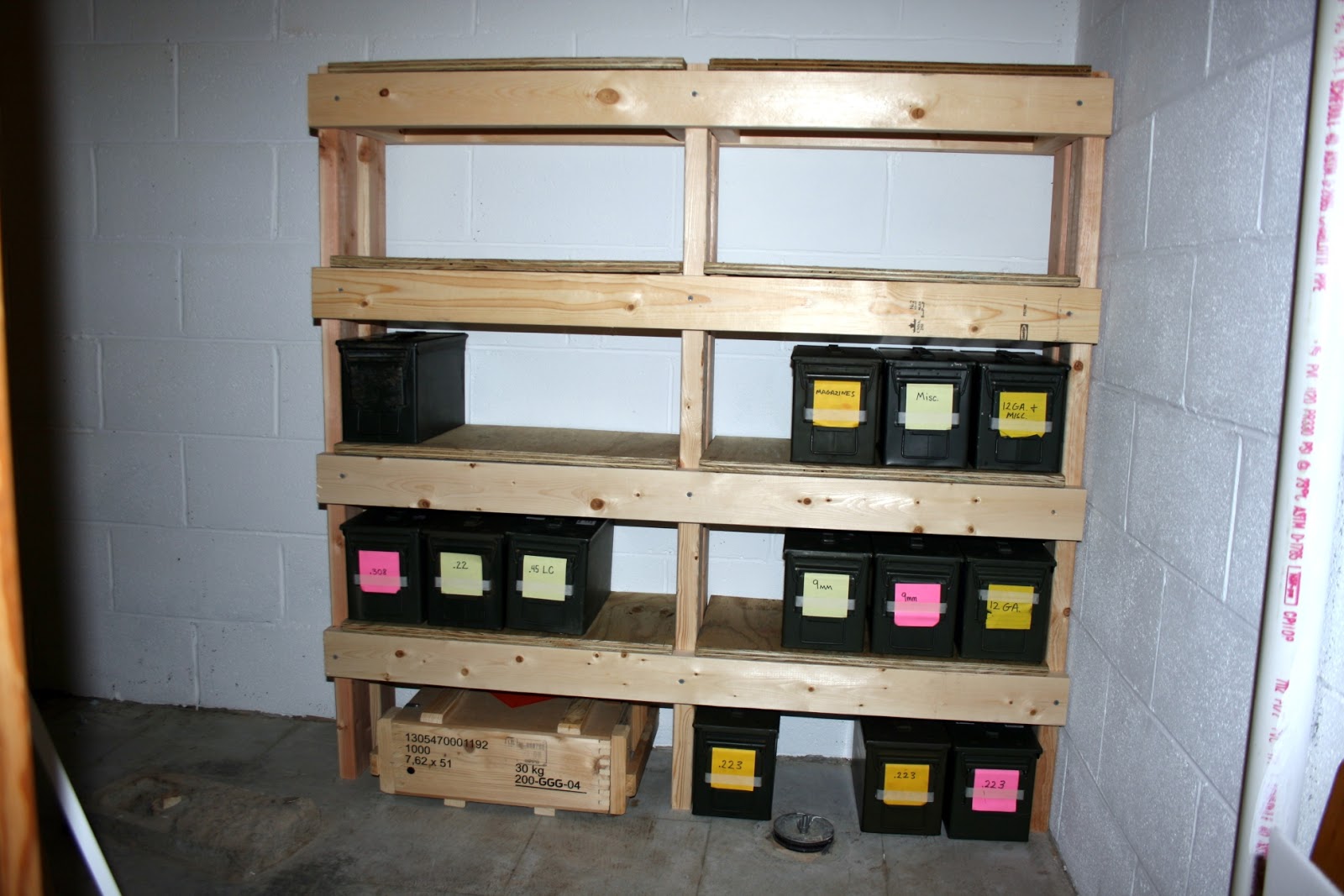
Proper handgun ammo storage begins with controlling humidity; keep rounds in an airtight ammo can with desiccant packs to prevent corrosion on brass cases and primers. Avoid storing loaded magazines for extended periods, as spring tension and exposed rounds accelerate moisture absorption. Temperature stability matters—never leave ammunition in a hot car or near direct sunlight, which degrades powder and causes misfires. Rotate your stock by date, using older rounds first at the range, and inspect every cartridge before loading; wipe off any visible oxidation with a dry cloth, but discard rounds with green or white crust—those are unreliable. Store boxes upright in a cool, dry closet, avoiding basements or garages with fluctuating dampness. Silica gel packs should be replaced every few months, and seal the container after each use. This routine ensures your defense ammo cycles and fires on demand.
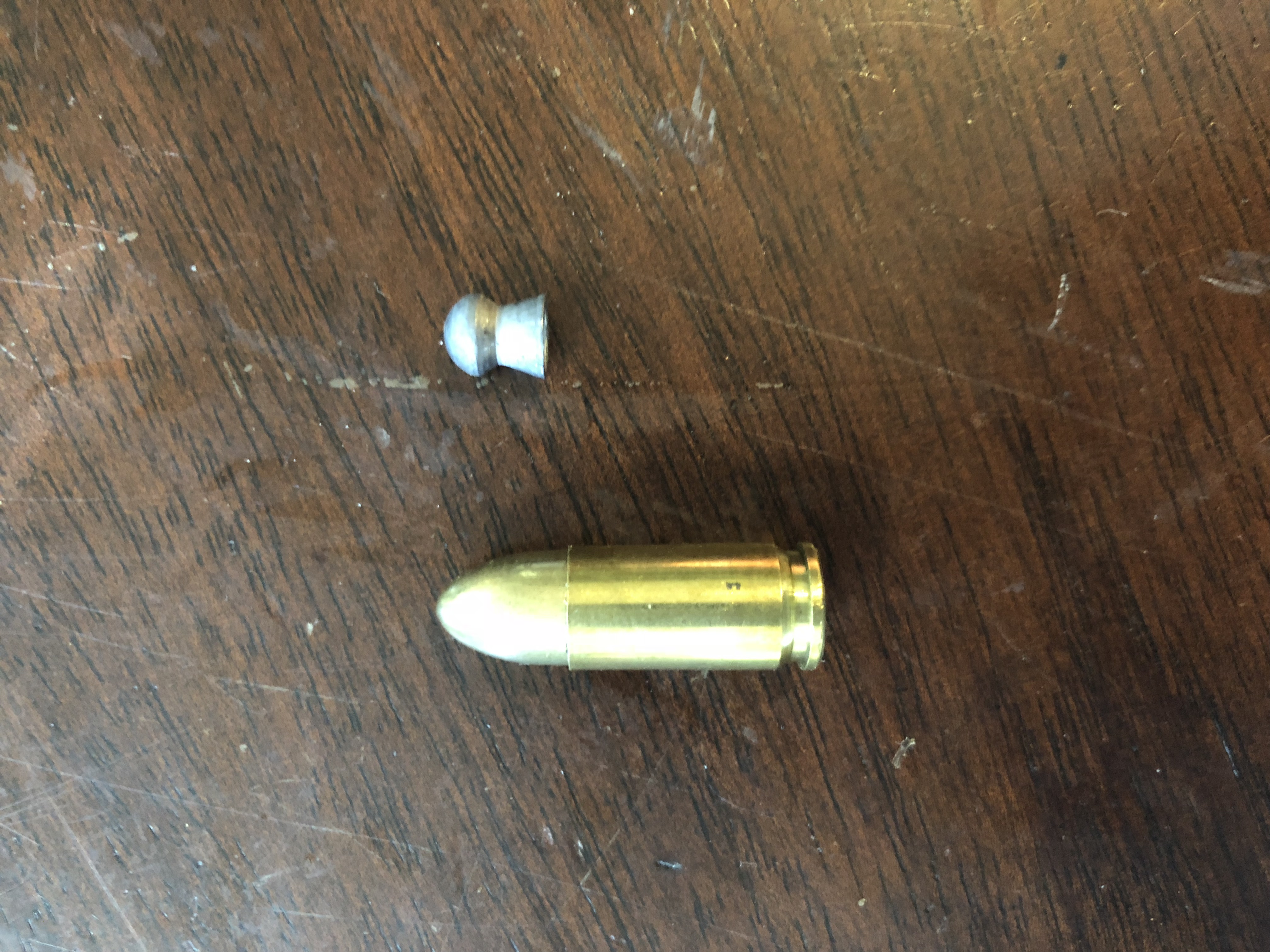
Humidity, Heat, and Shelf Life: Keeping Your Rounds Reliable for Years
Humidity is the primary enemy of handgun ammunition, as moisture intrusion can degrade primers and powder over time, so always store rounds in sealed ammo cans with desiccant packs to keep relative humidity below 30%. Heat accelerates chemical breakdown, causing propellant to lose potency and potentially raising pressure spikes, so avoid attics, trunks, or direct sunlight—a cool, stable 60–70°F environment preserves ballistic consistency. Shelf life stretches dramatically when you rotate stock, using older boxes first and resisting the urge to hoard “fresh” batches indefinitely. For long-term storage, vacuum-sealing bulk packs or using military-grade cans with rubber gaskets offers the best defense against fluctuating climates, ensuring reliable ignition for decades without corrosion or misfires.
Spotting Signs of Bad Primers or Seated Bullets Before You Shoot
Before you load a magazine, give each round a quick, deliberate once-over, because **spotting signs of bad primers or seated bullets before you shoot** is your last line of defense. Look for a protruding primer—it should sit slightly recessed, not proud of the case head, which signals a slam-fire risk. Check the bullet’s crimp for a visible gap or a bullet that’s pushed deeper or pulled higher than its siblings; a seated bullet that’s too deep spikes pressure, while one that’s loose can jam your action. Also, inspect for a missing or pierced primer, 6.5x57mm Mauser Ammo for Sale often indicated by an off-center strike or a dark ring around the pocket. If anything looks asymmetrical or feels wobbly when you press on the round’s nose, set it aside. Your gun will thank you.
Q: How do I spot a bad primer or seated bullet before I shoot?
A: Hold the round under bright light, spin it slowly, and compare it to a known-good cartridge. Any gap at the bullet-case junction, a primer that’s flush or high, or a bullet that moves when you thumb-press it means don’t chamber it.
Recoil Management: Selecting Rounds That Keep You On Target
For recoil management, handgun ammo selection hinges on balancing bullet weight against powder charge. Lighter, faster loads like 115-grain 9mm produce sharp, snappy impulses that disturb your sight picture, while heavier subsonic rounds—such as 147-grain—deliver a slower, more push-like recoil that allows quicker front-sight recovery. In .45 ACP, standard 230-grain loads offer a manageable, rolling push, whereas +P variants increase muzzle flip and split times. Match your ammunition to your grip strength and wrist lock; if you experience muzzle climb, step down to a reduced-recoil training round or a lower-pressure load. Prioritize a consistent point of aim over raw velocity—the round that keeps your front post tracking back to center fastest is the one that keeps you on target for follow-up shots.
Low-Recoil Options for New Shooters and Small-Frame Pistols
For new shooters and compact pistols, low-recoil handgun ammo transforms handling by reducing muzzle flip and snappiness. Standard-pressure loads in 9mm or .380 ACP, often labeled “train” or “lite,” cut felt recoil by 10–20% while keeping reliable cycling in short-barrel guns. Heavier bullets at lower velocities, like 147-grain 9mm, produce a softer push instead of a sharp crack, aiding follow-up shots. For micro pistols, consider .38 Special wadcutters or reduced-velocity .45 ACP to avoid punishing wrists. Always test a box through your specific frame—limp-wristing can still cause failures. Q: Which low-recoil round best suits a subcompact 9mm for a beginner? A: A 124-grain flat-nose at standard pressure balances mild recoil with dependable slide function, unlike underpowered loads that fail to eject in stiff springs.
Compensating for Snappy Loads with Grip and Stance Adjustments
When you switch to hot handgun ammo, that “snappy” recoil can push your muzzle off target fast. To compensate, tighten your grip—use a firm, high thumbs-forward hold, applying equal pressure from both hands so the frame doesn’t torque sideways. Then, adjust your stance: lean your upper body slightly forward, placing your weight on the balls of your feet. This turns your torso into a brace, letting the gun track straight back instead of flipping up. For snappy loads, a forward-leaning isosceles stance works best because it absorbs muzzle rise quickly. Finally, bend your elbows slightly, not locked, to let the recoil dissipate through your arms. These tweaks keep your sights returning to the same spot, even with sharp +P ammunition.
Firm grip plus a forward-leaning stance keeps snappy 6.8 SPC Ammo for Sale loads on target by converting vertical muzzle flip into a straight-back push.